
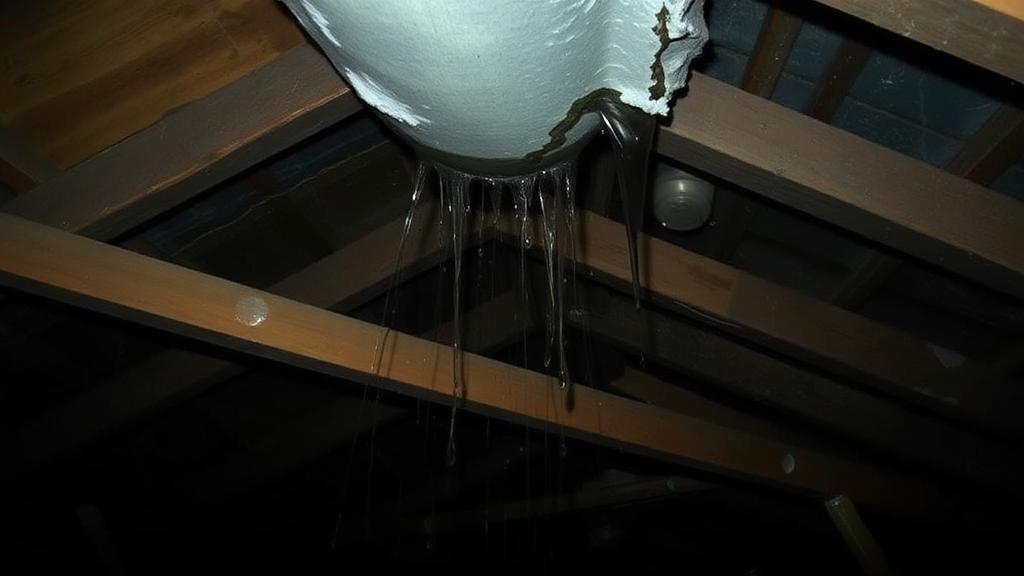
When we inspect a roof, we almost always ask to look in the attic. Homeowners are sometimes surprised by that. But many of the problems that show up on a roof, from ice dams to curling shingles to mystery water stains, actually start underneath it.
How Your Attic and Roof Work Together
A healthy attic in Ontario should be cold in winter and not much hotter than outside in summer. Two things make that happen:
- Insulation on the attic floor keeps your home's heat in the living space instead of letting it rise into the attic.
- Ventilation (soffit vents low on the roof and ridge or roof vents up high) lets outside air flow through the attic, carrying away heat and moisture.
When either one falls short, the roof pays for it.
Ice Dams Start in the Attic
In winter, heat leaking into a poorly insulated attic warms the roof deck and melts the snow on top. That water runs down to the cold eaves and refreezes, building a ridge of ice. More meltwater backs up behind it and can work its way under the shingles and into your walls and ceilings.
Better insulation and air sealing keep the roof deck cold, so the snow stays frozen until it melts naturally. We cover this in more detail in our guide to how attic ventilation prevents ice dams.
Moisture and Mould
Warm, humid air from showers, cooking and laundry rises into the attic through gaps around light fixtures, bathroom fans and the attic hatch. When it hits the cold underside of the roof deck, it condenses. Over a few winters that can mean frost on the nails, black staining on the plywood, mould and eventually soft, rotted decking.
Heat and Shingle Life
In summer, an attic with poor ventilation can get extremely hot. That heat bakes the shingles from below, drying them out and shortening their life. Shingle manufacturers expect proper ventilation, and poor ventilation can limit warranty coverage.
How Much Insulation Is Enough?
Many older Ontario homes have far less attic insulation than current standards for new homes, which call for a much higher R-value in the attic (around R-60 under current Ontario requirements for new construction). If you can see the tops of the ceiling joists, you very likely have too little.
Adding insulation is one of the best value upgrades for comfort and energy bills, and it protects the roof at the same time. Just make sure soffit vents stay clear with baffles, so the new insulation doesn't block the airflow.
Signs Your Attic Needs Attention
- Ice dams or large icicles along the eaves
- Frost or water droplets on nails in the attic in winter
- Dark staining or mould on the underside of the roof deck
- Upstairs rooms that are hard to heat or cool
- Snow melting off your roof much faster than your neighbours'
- Curling or blistering shingles on a fairly new roof
Why This Matters When You Replace Your Roof
A new roof is the best time to fix ventilation. When we replace a roof, we check the attic, calculate the vent area it needs and install the right intake and exhaust vents, so the new shingles last as long as they should. If the insulation also needs work, we'll tell you.
Get Your Attic and Roof Checked
Ontario Tech Roofing has served Oakville, Burlington, Hamilton and the GTA since 1998. Book a free roof inspection or call 905-616-4408.
Frequently Asked Questions
Can too much insulation hurt my roof?
Not by itself. The problem is insulation that blocks the soffit vents. With baffles keeping the airflow open, more insulation is better.
Should I add insulation or fix ventilation first?
Usually both, and air sealing first. Sealing gaps where warm air leaks into the attic, then insulating, then making sure air can flow above the insulation gives the best result.
Will new insulation stop ice dams completely?
It removes the main cause, heat loss into the attic. Very heavy snow and extreme cold can still create some ice, but the risk drops sharply.