
As the leaves change and the first chilly winds blow across Ontario, most homeowners focus their winter prep on furnace maintenance and checking window seals. However, if you live in a region that sees heavy snow and deep freezes—which is virtually all of us—the single most critical step you can take to protect your home this season happens in your attic.
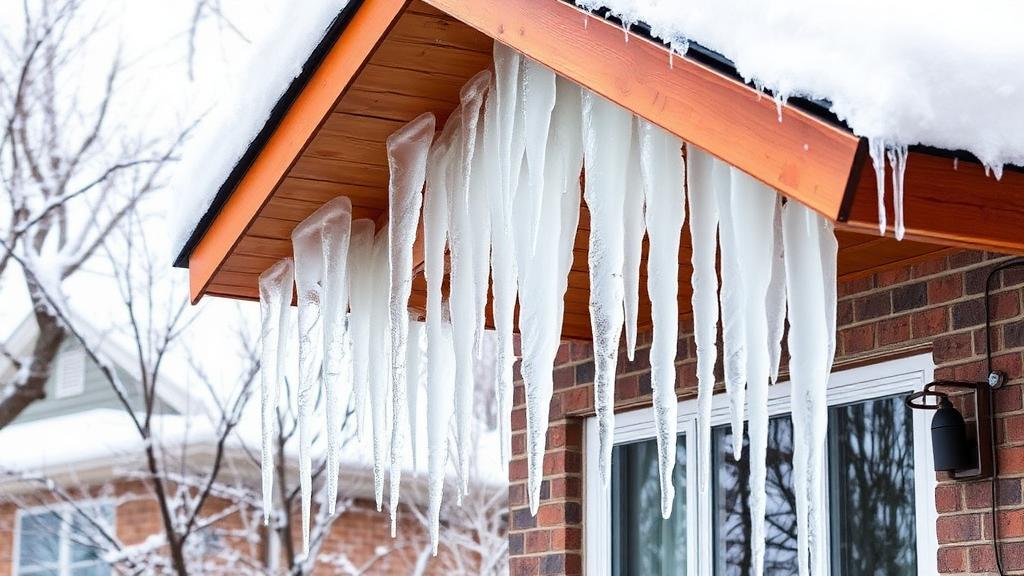
We're talking about ice dams, the damaging, heavy ridges of ice that form along the edges of your roof. They might look charming, but they are a sign of a serious, hidden problem: improper attic ventilation.
As a trusted roofing contractor in Ontario serving Hamilton, Mississauga, and the surrounding areas, we know that preventing an ice dam is always cheaper than repairing the damage it causes. Here is your essential guide to understanding the root cause of ice dams and how proper ventilation is your first and best defense.
What is an Ice Dam, and Why is it so Dangerous?
It is important to note that an ice dam is not just a cosmetic winter annoyance—it's a critical threat to your roofing system and home structure.
The Ice Dam Recipe (How it Forms)
- Heat Loss: Warm air from your living space leaks into your attic; this is usually from poorly sealed light fixtures, chimneys, or inadequate insulation.
- Uneven Roof Temperature: The warm attic air heats the roof deck, causing snow on the roof's upper sections to melt, even when temperatures are below freezing.
- Refreezing at the Eaves: As the melted snow runs down the roof, it reaches the colder eaves (the overhang part that's not over heated attic space), where it refreezes and forms a dam.
- Water Backup: The ice dam blocks the flow of water, forcing it to back up under the shingles and into your home.
The Costly Consequences
Once water gets under your shingles, you're facing:
- Damaged shingles and underlayment
- Rotting roof decking and insulation
- Water stains on ceilings and walls
- Mould and mildew growth
- Structural damage to framing
Repairs from ice dam damage can easily climb into the thousands of dollars—especially if the problem goes unnoticed until it's severe.
The Root Cause: Poor Attic Ventilation
While insulation is important for energy efficiency, ventilation is what keeps your attic temperature consistent with the outside air. Without proper ventilation, your attic becomes a heat trap, and that trapped warmth is what triggers the melt-refreeze cycle that creates ice dams.
How Ventilation Prevents Ice Dams
A well-ventilated attic allows cold air to enter through intake vents (usually located at the soffits) and exit through exhaust vents (typically at the ridge or gable ends). This continuous airflow:
- Keeps the entire roof surface cold
- Prevents snow from melting unevenly
- Stops the formation of ice dams before they start
What Proper Attic Ventilation Looks Like
Effective attic ventilation isn't just about having vents—it's about having the right amount of vents in the right places.
Key Components:
- Intake Vents (Soffit Vents): These allow fresh, cool air to enter the attic at the lowest point.
- Exhaust Vents (Ridge or Gable Vents): These let warm air escape from the highest point of the attic.
- Balanced Ventilation: The intake and exhaust areas should be roughly equal for optimal airflow.
The 1:300 Rule
Building codes typically require 1 square foot of ventilation for every 300 square feet of attic space. For example, if your attic is 1,200 square feet, you need at least 4 square feet of total ventilation—split evenly between intake and exhaust.
Signs Your Attic Ventilation Isn't Working
Not sure if your attic ventilation is up to par? Here are warning signs to watch for:
- Ice dams along your eaves
- Icicles hanging from the roof edge
- Frost or condensation inside the attic
- A hot, stuffy attic in summer
- Peeling paint or warped siding near the roofline
- Unusually high energy bills
If you notice any of these signs, it's time to call in a professional for an attic ventilation assessment.
What You Can Do Right Now
1. Inspect Your Attic
On a cold day, go into your attic and check:
- Is it noticeably warmer than the outside temperature?
- Do you see frost or moisture on the underside of the roof deck?
- Are soffit vents blocked by insulation?
2. Clear Your Soffit Vents
Make sure your soffit vents aren't covered by insulation. Use baffles to keep insulation back and ensure air can flow freely.
3. Consider a Professional Roof Inspection
If you're not comfortable assessing ventilation yourself, call a trusted roofing contractor. A professional can evaluate your ventilation system and recommend upgrades if needed.
4. Add or Upgrade Vents
If your attic doesn't have enough ventilation, consider installing:
- Ridge vents for continuous exhaust along the peak
- Gable vents for cross-ventilation
- Additional soffit vents to increase intake
Don't Wait Until It's Too Late
Ice dams don't just appear overnight—they're the result of weeks or months of inadequate ventilation. By the time you see water damage inside your home, the problem has been building all winter.
Proper attic ventilation is one of the most effective, affordable ways to protect your Ontario home from winter damage. Whether you're in Hamilton, Mississauga, or anywhere in the GTA, investing in your attic's ventilation system now can save you thousands in emergency repairs down the road.
Contact Ontario Tech Roofing Today
At Ontario Tech Roofing, we specialize in attic ventilation assessments, ice dam prevention, and emergency roof repairs. Our experienced team serves the entire Greater Toronto Area, and we're here to make sure your roof is ready for whatever winter throws at it.
Don't get soaked this winter—contact us today for a free roof and ventilation inspection. Your home (and your wallet) will thank you.
Get Your Free Roof Estimate
Ready to protect your home? Ontario Tech Roofing has served homeowners across the GTA since 1998. Book your free estimate or call us at 905-616-4408.