
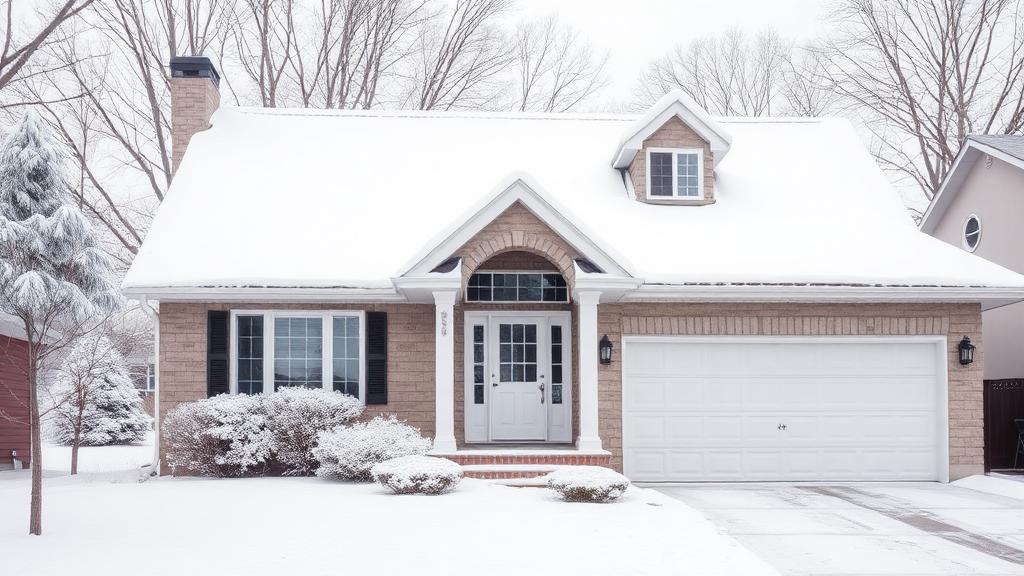
Ontario winters are hard on roofs. Heavy snow, ice, wind off the lake and weeks of freezing and thawing all test every shingle, seam and piece of flashing. The good news is that most winter roof leaks start as small problems that are visible in the fall. This guide walks you through a practical pre-winter roof checklist: what you can check yourself from the ground, what a roofer should look at, and which warning signs mean you should book a repair before the first big storm.
When to Winterproof Your Roof in Ontario
The best window is late September to mid-November, after most of the leaves have fallen but before daytime temperatures stay below freezing. Asphalt shingle sealant strips and roofing sealants need mild temperatures to bond properly, so repairs done in October usually hold better than emergency repairs done in January. If you wait until snow is on the roof, crews cannot safely see or reach many of the problem areas.
Your Pre-Winter Roof Checklist
What you can safely check from the ground
You do not need to climb a ladder to spot most early warning signs. Walk around the house on a clear day, ideally with binoculars, and look for:
- Missing, curled or cracked shingles, especially on the south and west slopes that get the most sun and wind.
- Granules in the eavestroughs or at the bottom of downspouts. A lot of granules usually means the shingles are near the end of their life.
- Sagging or pulling eavestroughs. A trough that is already loose will not survive the weight of ice.
- Lifted or rusted flashing around the chimney, skylights and vent pipes.
- Dark streaks or moss on the shingles, which can hold moisture against the roof surface.
- Branches touching or hanging over the roof. Snow-loaded branches break and can puncture shingles.
What to check inside the house
Your attic tells you a lot about how your roof will behave in winter. With a flashlight, check for:
- Water stains or dark spots on the roof boards or rafters.
- Daylight coming through anywhere other than the vents.
- Compressed, wet or patchy insulation. Warm air escaping into the attic is the main cause of ice dams.
- Blocked soffit vents. Insulation pushed against the soffits stops air from moving through the attic.
- Frost or musty smells on cold mornings, which point to a moisture or ventilation problem.
If you find any of these, our guide on how attic ventilation prevents ice dams explains why they matter.
What a roofer should check
Some things are only safe and practical to check on the roof itself. A proper pre-winter roof inspection should cover:
- Shingle condition and fastening, including any tabs that have lost their seal and could blow off in a winter windstorm.
- Flashing and sealant at chimneys, walls, skylights and plumbing vents, where most winter leaks begin.
- Valleys and eaves, the areas where ice and meltwater collect first.
- Roof vents and exhaust outlets, to make sure they are clear and not leaking.
- Eavestroughs and downspouts, checked for secure fastening, correct slope and clear outlets.
- The roof deck, looking for soft spots that suggest moisture damage underneath.
You should receive photos and a clear explanation of anything that needs attention, so you can decide what to fix now and what can wait until spring.
Clean the Eavestroughs Before the First Freeze
Clogged eavestroughs are one of the most common causes of winter water damage. Leaves and debris hold water, the water freezes, and the ice backs up under the bottom row of shingles or pulls the troughs off the fascia. Clean them after the leaves drop, flush the downspouts, and make sure water exits at least a metre away from the foundation. If you would rather not do it yourself, we offer eavestrough cleaning across the GTA.
Signs You Should Repair Before Winter, Not After
Some problems can wait until spring. These usually cannot:
- An active or recent leak, even a small one. Freezing water expands and makes the opening larger.
- Missing shingles or exposed nail heads. Wind-driven snow will find the gap.
- Damaged chimney or skylight flashing. These areas take the most meltwater.
- A roof that is near the end of its life, with widespread curling, cracking or bald patches. A full replacement is far easier to schedule in the fall than in an emergency.
If you are not sure whether a repair is enough, see our roof replacement page or ask for an honest recommendation during your inspection.
How Ontario Tech Roofing Prepares Roofs for Winter
When we repair or replace a roof before winter, we focus on the details that matter most in Ontario's climate:
- Ice and water shield along the eaves, in valleys and around penetrations, as a second line of defence against ice dams.
- Balanced attic ventilation, so the roof deck stays cold and snow melts evenly instead of refreezing at the edges.
- Properly sealed flashing at chimneys, walls and skylights.
- Securely fastened, correctly sloped eavestroughs that can handle meltwater and ice.
What to Do Once Winter Arrives
Even a well-prepared roof needs a little attention during a heavy winter. Keep an eye out for large icicles and ice ridges along the eaves, and for water stains on ceilings near exterior walls. If snow builds up heavily, follow our guide to removing snow from a roof safely, and never climb onto an icy roof yourself. If a leak starts in the middle of winter, our emergency roof repair team can make a temporary fix and plan a permanent repair once conditions allow.
Frequently Asked Questions About Winter Roofs
Can a roof be repaired or replaced in winter?
Yes, many repairs can be done in winter on dry, workable days, and emergency leak repairs are done year-round. However, shingle sealant strips bond best in milder weather, so planned repairs and replacements are easier to do well in the fall.
How long does a pre-winter roof inspection take?
For most homes, the inspection itself takes under an hour. You should then receive photos and an explanation of any issues found.
Do I need to remove snow from my roof?
Most homes in Ontario do not need routine snow removal. It becomes important after unusually heavy snowfall, on flat or low-slope roofs, or when ice dams are forming. Use a roof rake from the ground or call a professional; do not climb onto the roof.
What causes ice dams?
Ice dams form when heat escapes into the attic, melts snow on the upper roof, and the meltwater refreezes at the colder eaves. Better attic insulation and ventilation are the long-term fix.
Book a Pre-Winter Roof Check
Ontario Tech Roofing has helped homeowners across the GTA, Hamilton, Oakville and Burlington get their roofs ready for winter since 1998. Book your free estimate or call us at 905-616-4408 before the snow arrives.